Cartoonist, illustrator
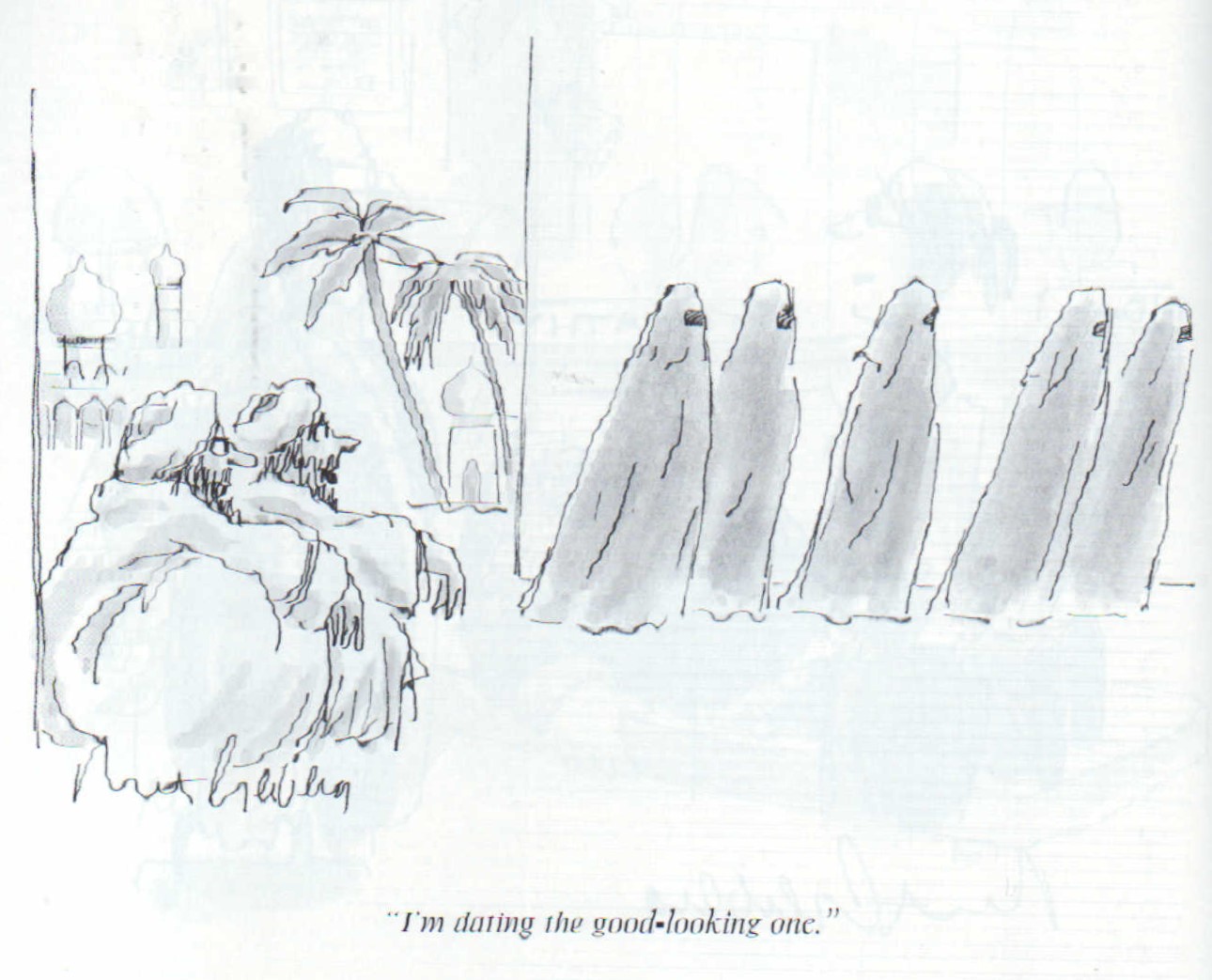
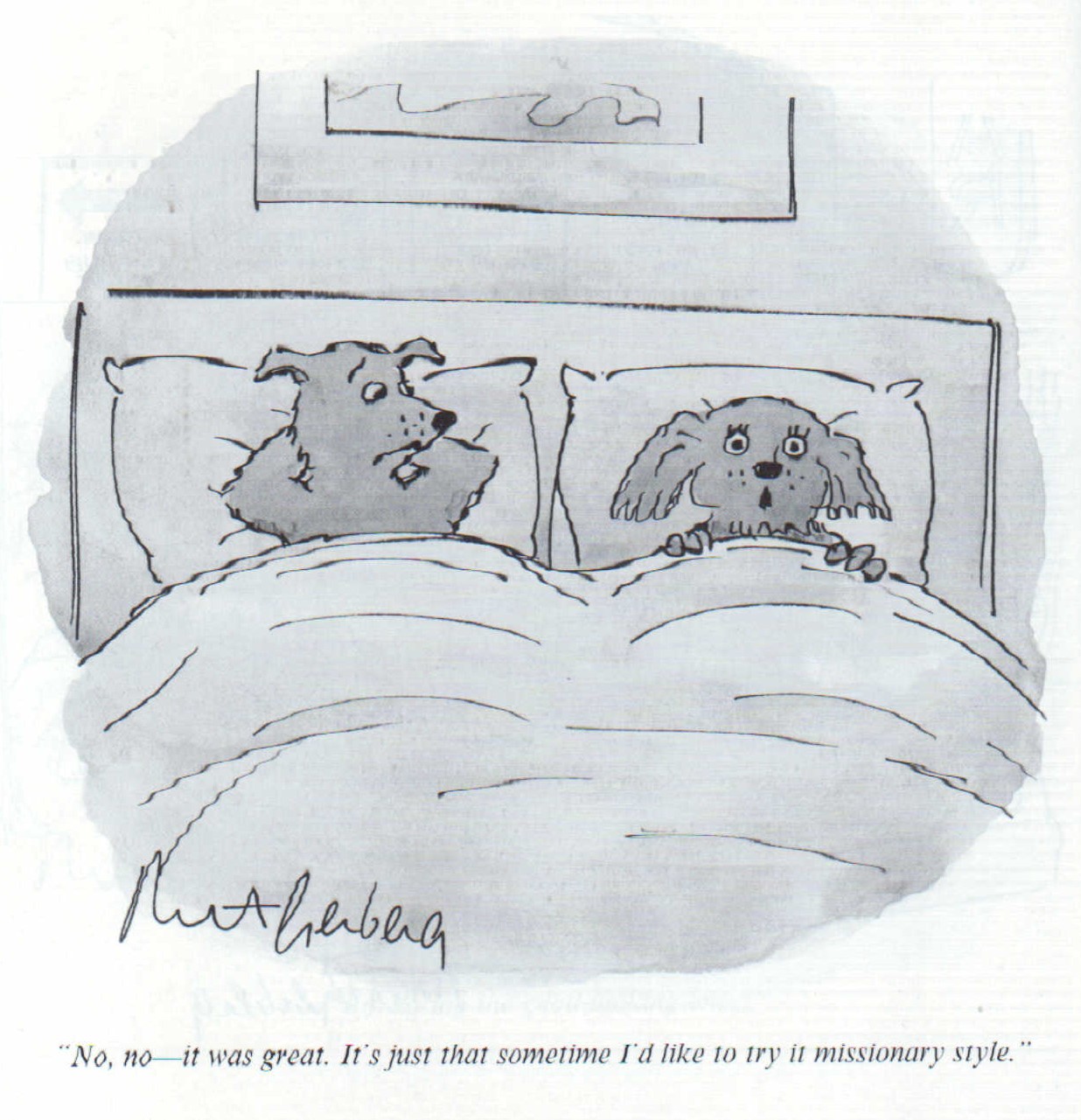
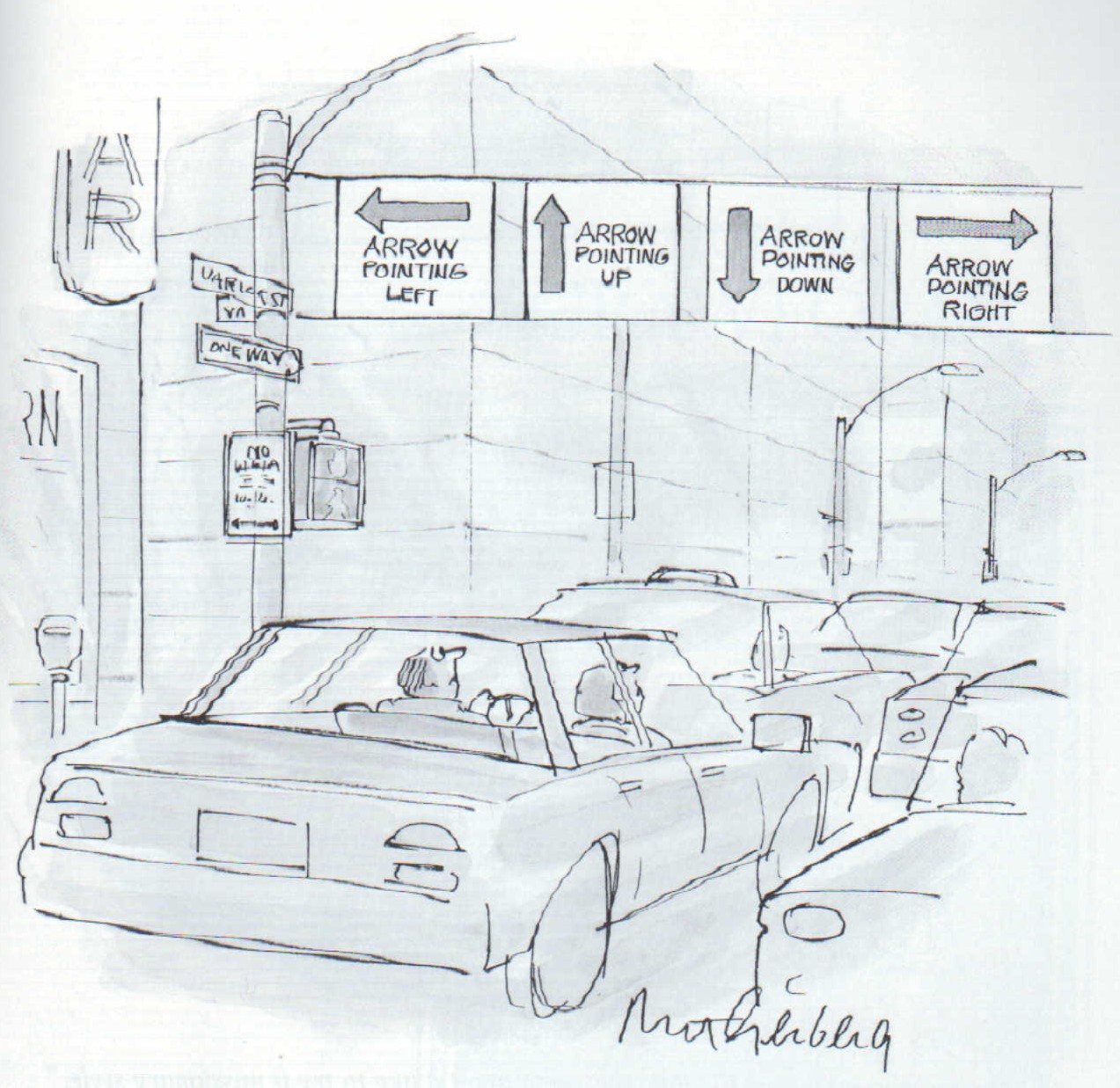
His works have appeared in magazines, newspapers, books, on the Internet, home video, movies and on television. He is best known for his magazine cartoons, which have appeared in numerous and diverse publications such as The New Yorker, Playboy, Harvard Business Review, The Huffington Post, as well as his 1983 book “Cartooning: The Art and Business”. He created the weekly news comic Out of Line for Publishers Weekly from 1988 to 1994 and drew a cartoon for the editorial page for The Columbia Paper, a weekly newspaper of the District of Columbia, New York, since 2003.
In addition to magazine cartoons, Gerberg drew comics for national newspapers. His strip Koky, co-authored and written by Richard O’Brien, was syndicated from 1979 to 1981 by the Chicago Tribune-New York News Syndicate. (In 2007, Ramble House collected the entire circulation of the tape into two books, one for daily newspapers and one for Sundays.) During the same period, he also merged his daily Hang in Their panel. For United Feature Syndicate, Gerberg updated the early classic tape There Ought to Be a Law! he painted and painted it for several years in the early 1980s. Gerberg also participated in the creation of the Inside tape. Woody Allen for King Features Syndicate, a strip for Universal Press Syndicate for astrologer Jean Dixon, and a strip for United Feature Syndicate for Pulitzer Prize-winning reporter Jack Anderson.
Gerberg has written, edited and/or illustrated more than 45 books for adults and children. Among them: Cartooning: The Art and the Business, the most authoritative guide in this field since 1983; “Last Laughs: Cartoons about Aging, Retirement… and the Great Beyond”; “Joy in Mudville: The Big Book of Baseball Humor” with Dick Schaap; A collection of Jewish cartoons; straight to the Sister ; High Society, Mort Gerberg on the Scene: A 50-year-old cartoon Chronicle (published by Fantagraphics) and children’s books “Why did Halley’s Comet Cross the Universe?”, Geographunny and the best-selling spaghetti, I say.
For television, Gerberg wrote and drew the animated fable “Opportunities are Buzzing.” for the 51st state of PBS on Channel 13, New York, and also wrote and drew three animated sketches for the feminist show “Woman” on CBS in 1972. Views of the News” for NBC Channel Four, New York, 1975-1978. In the early 1990s, Gerberg was also a content provider for ABC-TV Multimedia, Prodigy, America Online and Online BookWire.com.
Gerberg performed a number of reportage sketches on the scene for print and television, drawing and describing national and international events. Among them are “swinging London” in 1967, the Democratic National Convention in Chicago in 1968, the New York Mets pennant victory in 1969, an African safari in 1972, New York Knick fans in 1973 and the U.S. Open in Forest Hills in 1976. .
Gerberg is a popular speaker on the topics of caricature, Jewish humor and aging. He has performed nationally and internationally at various venues including universities, corporate conferences, synagogues and film festivals. He was the founder and former president of the Cartoonists Guild, as well as a member of the National Society of Cartoonists and the Guild of Authors.
Gerberg taught drawing at the Parsons School of Design in New York for more than 15 years and as part of the New School’s distance learning program. One of his former students was The Wall Street Journal cartoonist Ken Fallin. Herberg, along with the cartoonist from The New Yorker magazine Ed Fisher, edited the book “The Art of Creating Cartoons” and, together with Bob Mankoff, the editor of cartoons at The New Yorker, worked on a set of instructions for Barnes & Noble “Creating cartoons from thoughts to ink.”
For clients from the business world (including Fidelity Investments, MasterCard, Epson, AT&T, Motorola, John Hancock, Brooks Brothers, etc.), he created individual drawings, cartoons and texts for their advertising and public relations, many for advertising in the New Yorker, and was also a consultant to focus-groups for the development of ideas.
Born in Brooklyn, Herberg graduated from Baruch College of the City College of New York with a Bachelor of Business Administration degree in 1952, then served in the U.S. Army for two years, mainly at Fort Richardson, Anchorage, Alaska, in the Office of Public Information, where he worked as an editor of the postal newspaper The Alaskan Post. Returning to civilian life, he worked as a reporter for the Park Row Service newspaper in New York, an advertising promotion manager for Cosmopolitan magazine and an advertising promotion manager at Ziff-Davis Publishing Company. He left Ziff-Davis and New York City in 1960 to live in San Miguel de Allende, Mexico, for a year to write and paint. He then returned to New York to start a freelance career.
He sold his first cartoons, starting in 1961, to many small magazines such as 1000 Jokes, Swank, Dude, Gent, Cavalier and Diners Club Magazine, and then published in all major markets such as Saturday Evening Post, Look, Saturday Review, Esquire, Life, Cosmopolitan, before joining Playboy and The New Yorker.
On election day, November 7, 1972, Gerberg appeared with Barbara Walters on the Today Show, drawing a political cartoon while she interviewed him.
On January 20, 1973, Gerberg appeared with Edwin Newman and Robin Cook on NBC-TV’s live broadcast of Richard Nixon’s second inauguration, drawing and commenting on the ceremony.
In 1989, Gerberg appeared as a guest artist in Shari Lewis’ home video “Lamb Chop in a Country Without Manners”.
In 1998, Gerberg was honored by the American School in Bilbao, Spain, for participating in the celebration of his auspicious “Festival of Young Authors”, inviting him to visit and draw for elementary and high school students in American schools in Valencia, Madrid, Barcelona, Bilbao and Lisbon.
Gerberg appeared in the 2001 PBS documentary Funny Business: An Inside Look at the Art of Making Cartoons, which focused on the creative and personal sides of several New York-based cartoonists.
In 2014, the Library of Congress acquired 79 of Gerberg’s original pen and ink drawings for cartoons and reports, which were published in several different places.
Gerberg has interviewed Tony Guida several times in New York on CUNY.TV
Gerberg was featured in the HBO documentary “Very Semi-Serious: A Partially Thorough Portrait of New York Cartoonists,” which aired on December 14, 2015.
The New York Historical Society presented his 50-year retrospective “Mort Gerberg Cartoons: A New Yorker’s View” from February to May 2019, consisting of more than 125 cartoons, drawings, sketches, reports and video clips.
On August 14, 2019, Gerberg played a 1907 Steinway piano owned by Cole Porter at the New York Historical Society, where it was on display, for a hundred people to sing.
In The December 30, 2019 issue of The New Yorker, in an illustrated article titled “Celebrities Choose Their Favorite Cartoons of New Yorkers”, the first entry was made by Steve Martin, who chose a cartoon by Mort Gerberg from the April 12, 1969 issue of the magazine. journal.
Two of Gerberg’s original drawings were included in the exhibition “Superheroes in Gotham” at the New York Historical Society, which ran from October 2015 to February 2016; one of his cartoons for the New Yorker magazine, published in July 1997, and a pencil sketch that he drew in his Hebrew school textbook, when he was eight years old.
In 2004, Gerberg was awarded the prestigious Townsend Harris Medal of the City College of New York for outstanding achievements.
In 2010, he was honored by the New York City College Communications Hall of Fame.
Gerberg was recognized by the National Cartoonists Society as the magazine’s Best Cartoonist of 2007 and 2008 and received five NCS nominations in other years, four as the magazine’s best cartoonist and one as the best advertising illustration.
In June 2021, Gerberg was awarded the Golden Key Award by the National Society of Cartoonists, making him the 16th member of the National Society of Cartoonists Hall of Fame.
In January 2016, the National Society of Cartoonists awarded Gerberg with the Tom Gill Educational Award “for outstanding contribution to the art of creating cartoons.”
Reference: Wikipedia, 2018