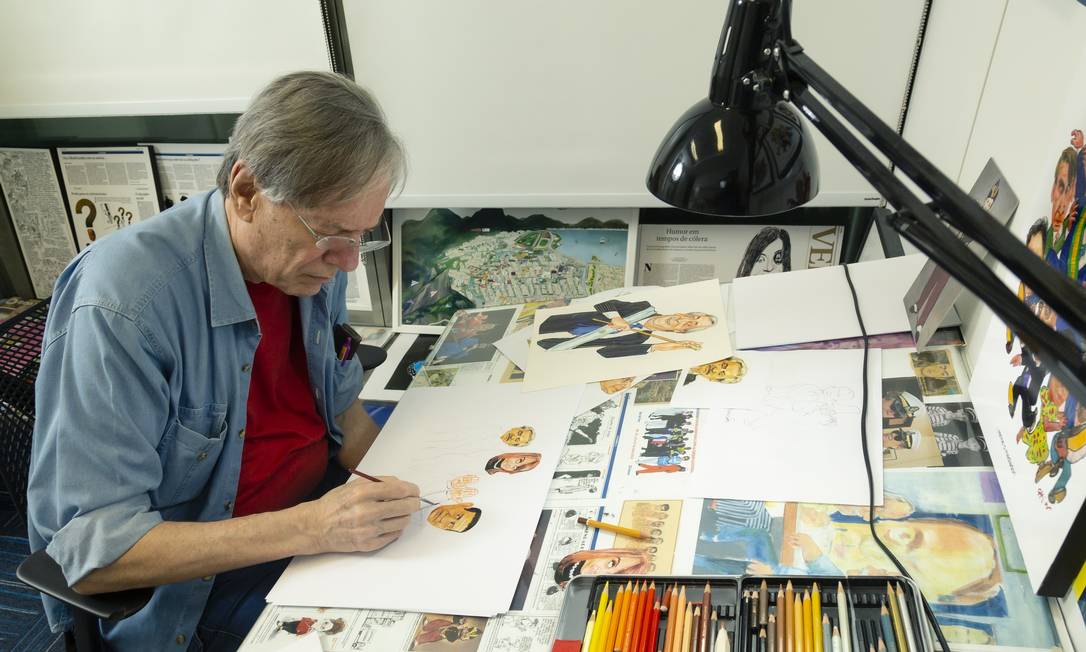
Cartoonist, animator, musician, comedian
Francisco Paulo Hespagna Caruso, known as Chico Caruso.
He is the twin brother of Paulo Caruso, also a cartoonist.
He began publishing his drawings in the late 1960s in Folha da Tarde. He has worked in the periodicals Opinião, Movimento, Gazeta Mercantil, ISTOÉ, Veja, Jornal do Brasil and O Globo, in the latter since 1984, where he remains to this day.
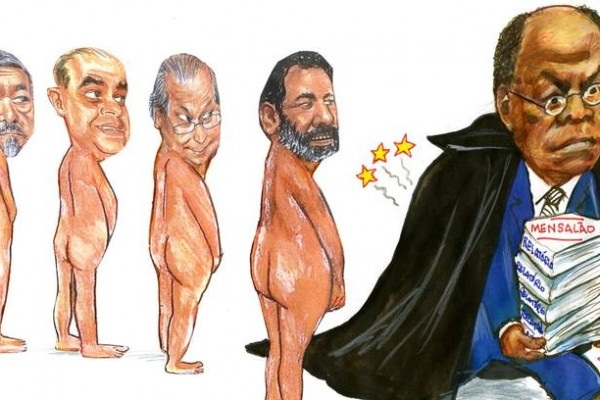
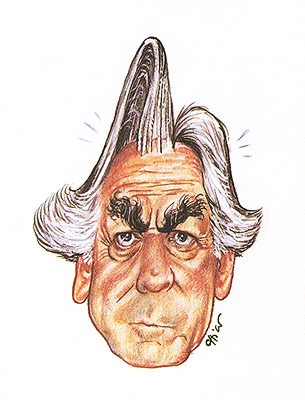
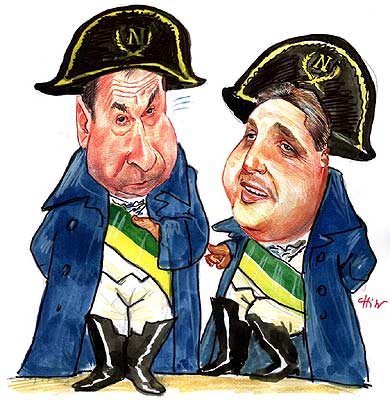
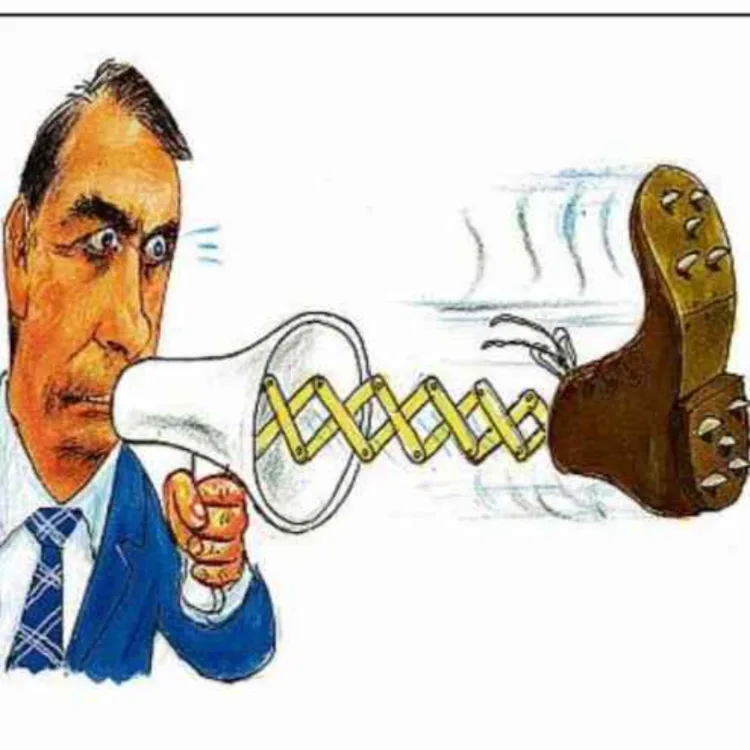
Identical twins, brothers cartoonists Paulo and Chico Caruso, were born on December 6, 1949 in Sao Paulo with a difference of five minutes. The work of both artists is especially important for its virtuosity in personal caricature.
Francisco Paulo Hespagna Caruso, his brother five minutes younger, graduated from the Faculty of Architecture of the University of Sao Paulo (FAU/USP) in 1976 with a degree in Architecture and Urban Planning, but did not pursue a career.
He started as a cartoonist and illustrator in 1968, when he published his first drawings in the newspaper Folha da Tarde on a variety of topics: football, chronicles, horoscopes and politics. After Institutional Law No. 5, AI-5, of 1968, Caruso stopped making political cartoons, returning to this topic only in the university magazine Balão in 1972.
In the early 1970s, he collaborated with the newspapers Opinião, Movimento and Gazeta Mercantil. In 1976, he was awarded the Salão de Humor de Piracicaba and received an invitation to write cartoons for the magazine Isto É. The following year he went to Rio de Janeiro to work at Jornal do Brasil, at the invitation of the cartoonist Lan (1925), after seeing a caricature of General Joao Figueiredo (1918-1999) made by Caruso and published in the newspaper São. Paulo’s newspaper.
In 1980 he published the books Natureza Morta e Outros Desenhos, published by Jornal do Brasil and Pablo Mon Amour, a biography in caricatures of the artist Pablo Picasso (1881-1973), published by Funarte. He wrote the play O Amigo da Onça, staged in 1988 by Paulo Betti (1952).
Together with his brother, he forms the jazz band Muda Brasil Tancredo, which includes Claudio Paiva, Aroeira, Luis Fernando Verissimo (1936), among others, who interpret compositions of a humorous nature and political satire in the show. In 2002, he published the book Era uma vez FH, a collection of drawings published in the newspaper O Globo between 1994 and 2002, related to the two presidential terms of Fernando Henrique Cardoso (1931).
Reference: Wikipedia, 2010